Temperature Validation analysis and reporting
Full‑service validation reports for controlled environments and critical storage areas


Temperature Validation Analysis and Reporting
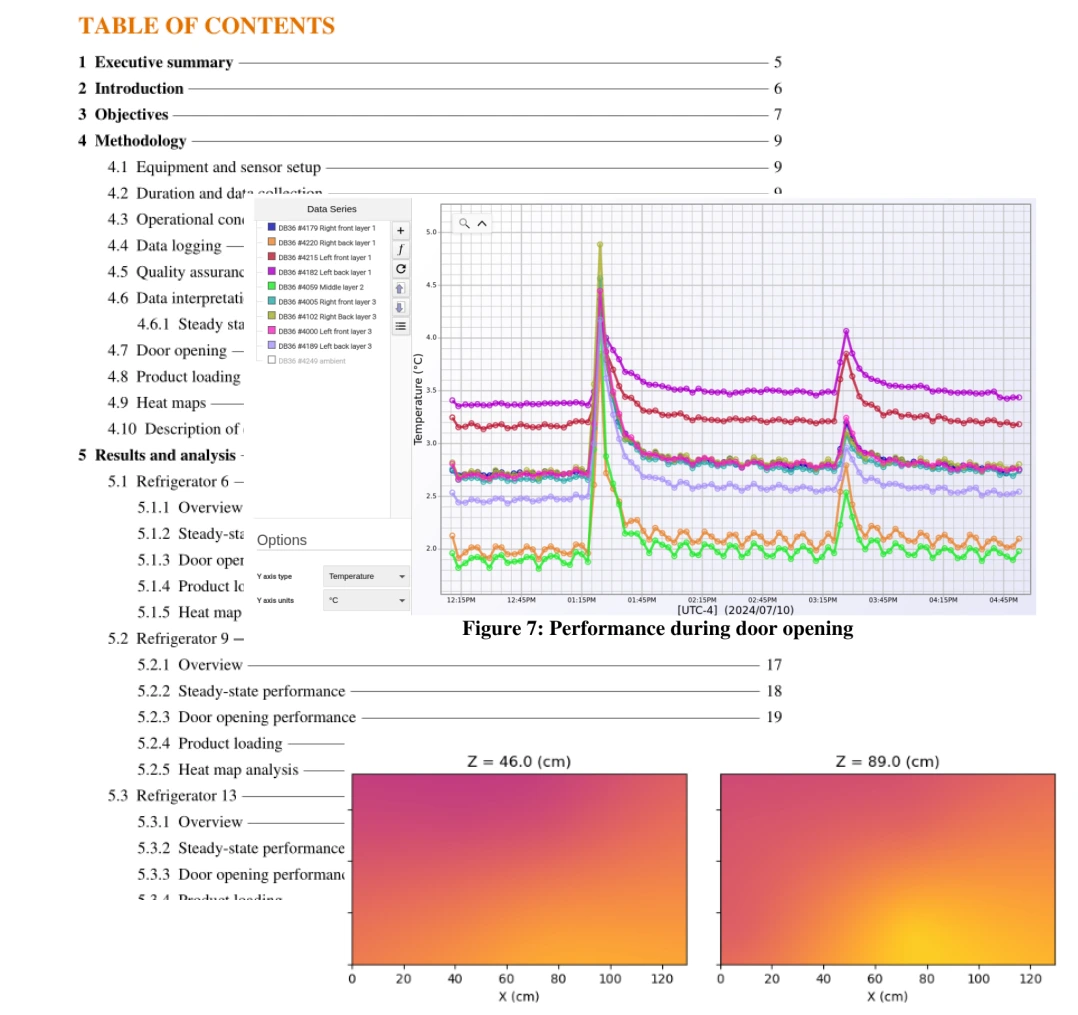
Validation reports are critical for confirming the consistent performance of temperature‑controlled equipment such as cold storage (refrigerators and freezers) and ovens. These detailed, data‑driven reports provide insights into temperature distribution, trends, and system reliability, ensuring that your equipment meets compliance and quality standards.
Comprehensive validation reports are designed to support regulatory compliance, operational efficiency, and product quality through in‑depth analysis and clear presentation of temperature data.
Our cGxP‑qualified staff will provide complete validation documentation with essential insights for maintaining high standards in temperature control, supporting compliance, and optimizing equipment performance.
Comprehensive validation reports are designed to support regulatory compliance, operational efficiency, and product quality through in‑depth analysis and clear presentation of temperature data.
Our cGxP‑qualified staff will provide complete validation documentation with essential insights for maintaining high standards in temperature control, supporting compliance, and optimizing equipment performance.

Validation Reporting Features
- Compliance and quality assurance: Meet regulatory standards such as FDA, GMP, and GDP while ensuring that all products stored or processed maintain safety and efficacy.
- Efficiency and Consistency: Understand and optimize your equipment's temperature performance, reducing risk of product spoilage or quality loss.
- Proactive risk mitigation: Early identification of temperature issues enables proactive solutions, helping you prevent potential product losses or process failures.
- Logged data analysis: Analysis of recorded temperature data over time for validation and compliance documentation.
- Customizable reporting: Generating customizable reports detailing temperature data, trends, and compliance status for internal records or regulatory submissions.
Temperature Data Collection
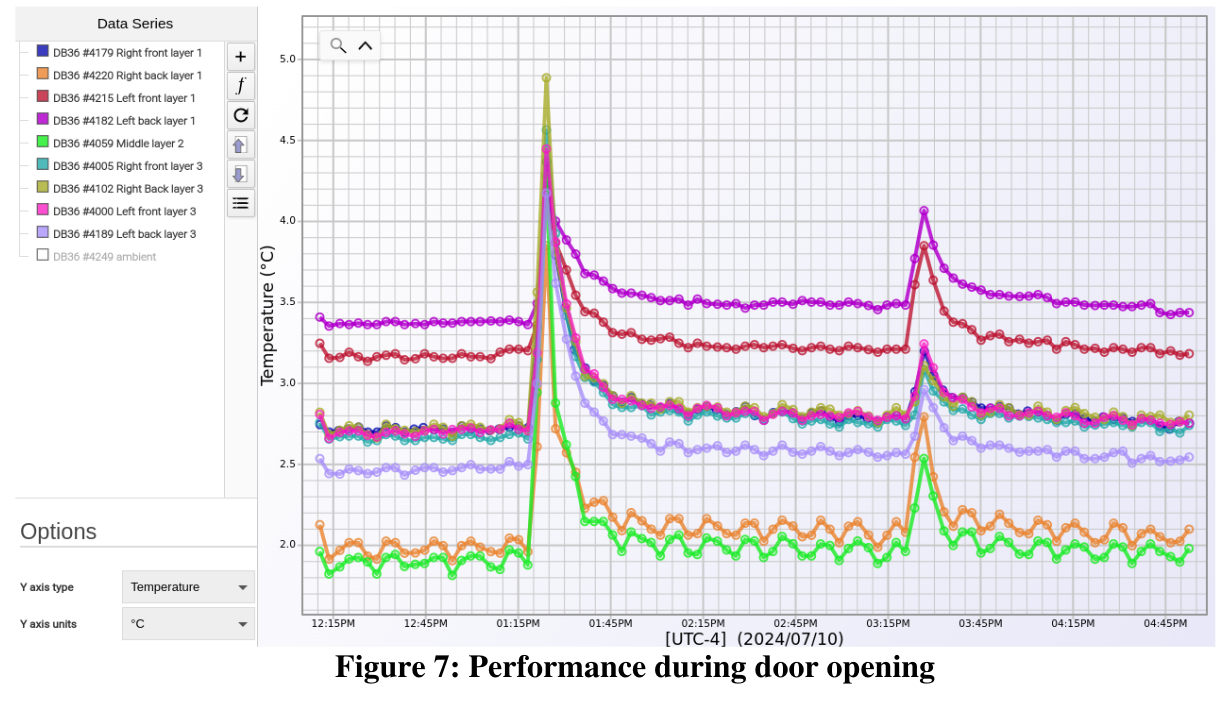
We gather extensive temperature data by placing calibrated sensors at multiple points within your storage or heating unit. This data is collected over a designated period to capture fluctuations and spot trends.
Continuous monitoring ensures that temperature readings reflect realistic operating conditions, accounting for potential variables such as door openings, damper adjustments, process variables, and ambient temperature shifts.
Continuous monitoring ensures that temperature readings reflect realistic operating conditions, accounting for potential variables such as door openings, damper adjustments, process variables, and ambient temperature shifts.
Heat Maps for Spatial Analysis
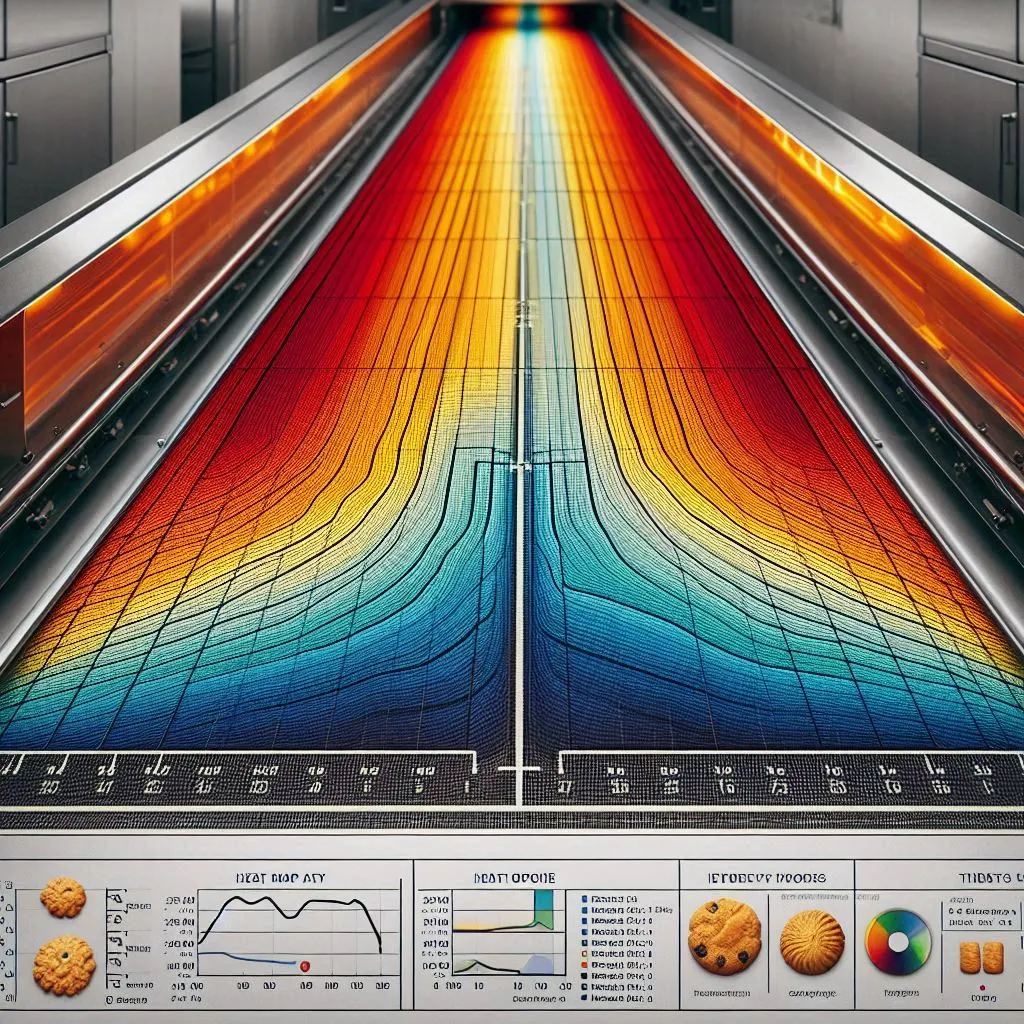
Accurately mapping a cold‑storage unit, oven, autoclave, or ambient storage area requires a large number of sensors placed strategically to create a measurement matrix. These temperature sensors can be purchased, rented, or supplied by Paragon Robotics.
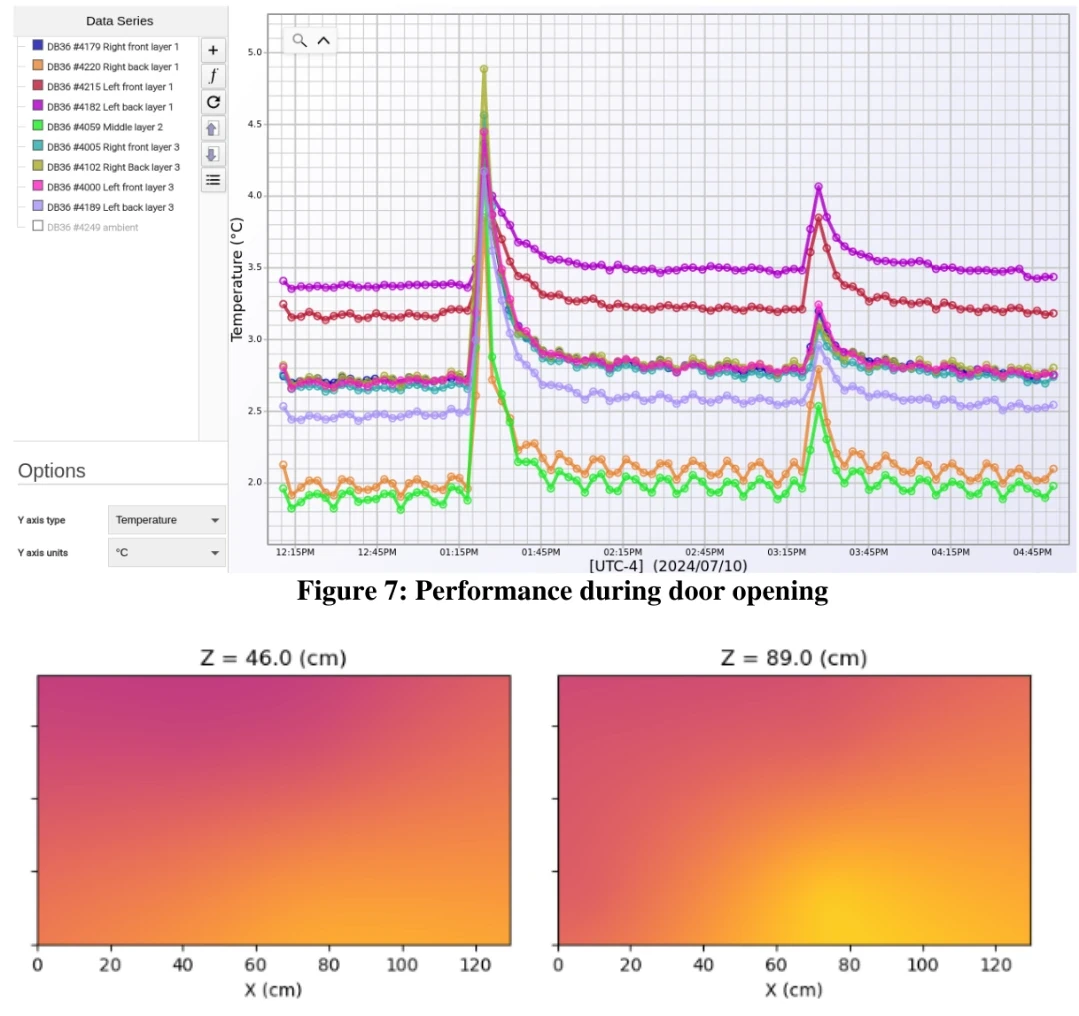
- Visual heat maps are created to represent temperature distribution within the unit. Heat maps help to clearly identify cold or hot spots, ensuring even temperature control across the space.
- Heat maps offer immediate visual insights into temperature consistency, with color‑coding that distinguishes areas of concern.
Temperature Trends Analysis
Once the measurement data has been collected, our cGxP‑qualified staff will review charts and heat maps for the mapping process. Duration and sampling frequency follow applicable regulations or recommended temperature‑mapping guidelines to meet data requirements and capture thermal dynamics accurately.
- Our analysis highlights temperature patterns and trends over time, identifying periods of potential variability or risk.
- Trending charts are provided to show the unit’s performance over time, illustrating any gradual drifts or significant deviations that may require corrective action.
Report Structure
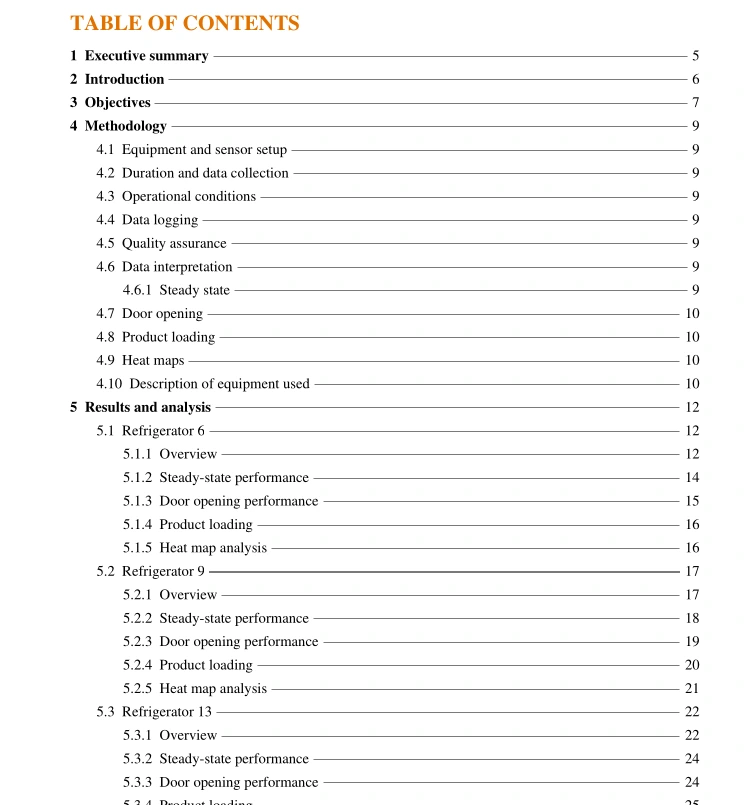
After data collection, the mapping sensors may be removed. If data analysis can be performed immediately, it may be prudent to retain the sensors in case additional testing is required later.
- Executive Summary: An overview of the testing parameters, goals, and key findings.
- Data Visualizations: Includes heat maps, trend charts, and graphical data for at‑a‑glance interpretation.
- Detailed Findings: Insight into temperature consistency, spatial variability, and any anomalies detected during the mapping period.
- Compliance Verification: Documentation of adherence to industry standards and regulatory guidelines (e.g., FDA, WHO) based on test results.
- Recommendations: Based on data findings, we offer actionable recommendations for maintaining or improving temperature stability.
Results Interpretation and Recommendations
Our experts interpret the findings, assessing compliance and providing targeted recommendations to improve temperature consistency.
Recommendations may include adjustments to shelving, airflow, or settings to address identified hot or cold spots and ensure a stable environment.
Recommendations may include adjustments to shelving, airflow, or settings to address identified hot or cold spots and ensure a stable environment.
Full‑Service Temperature Mapping
For cGMP‑regulated processes, temperature mapping is commonly part of the Operational Qualification (OQ) step when commissioning new equipment. Regular remapping should also be performed after repairs, adjustments, or process changes. With thorough temperature mapping, you can improve equipment uniformity, product quality, and regulatory compliance.
Paragon can support customers throughout the temperature‑mapping process, from providing plug‑and‑play monitoring equipment to turnkey on‑site mapping services for product commissioning or re‑commissioning. As a cGMP‑regulated manufacturer ourselves, we have extensive experience within our quality department to assist customers with qualification activities such as temperature mapping.
Paragon can support customers throughout the temperature‑mapping process, from providing plug‑and‑play monitoring equipment to turnkey on‑site mapping services for product commissioning or re‑commissioning. As a cGMP‑regulated manufacturer ourselves, we have extensive experience within our quality department to assist customers with qualification activities such as temperature mapping.